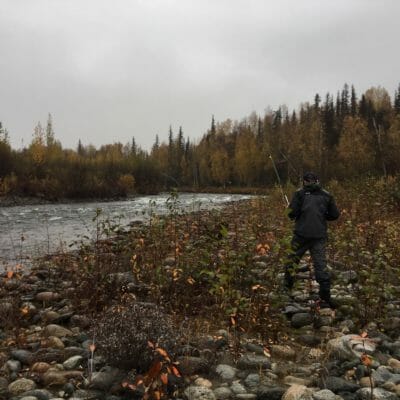
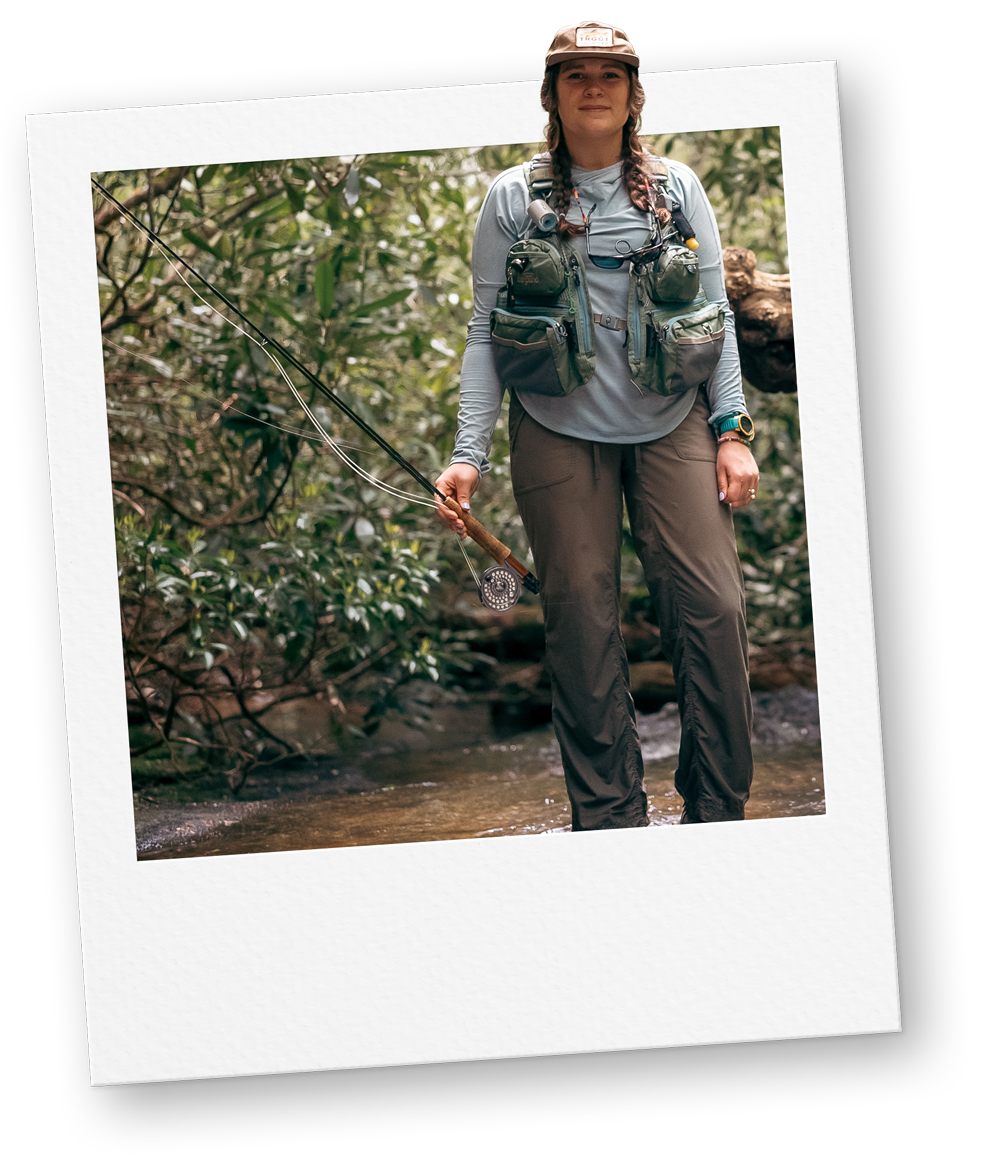
Last Sunday we decided we’d go fishing. It was dumping rain, but being outside on weekends is almost always better than in, and we figured we may as well pursue an activity that already involves gear made to keep you dry.
Guiding the guide

Join our community of optimists and unlock the unlimited power of conservation.
Join our community of optimists and unlock the unlimited power of conservation.
Last Sunday we decided we’d go fishing. It was dumping rain, but being outside on weekends is almost always better than in, and we figured we may as well pursue an activity that already involves gear made to keep you dry.
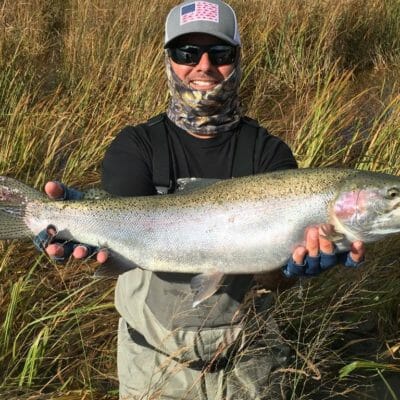
Recently, Trout Unlimited teamed up with Omaze, a company that organizes giveaways that give back, to raise money and support for the Save Bristol Bay campaign. Entering to win a 4 night stay at TU Business Member, Alaska Sportsman’s Lodge, Omaze randomly selected a winner who ended up being a TU member- Fred Cheatham from Carlsbad, California!
As an angler, this is where the problem sinks in. It’s a visible focal point for the issue at hand. On one side, a massive freshwater lake, on the other, a salmon stream that once supported all 5 species of Pacific Salmon sits bone dry.
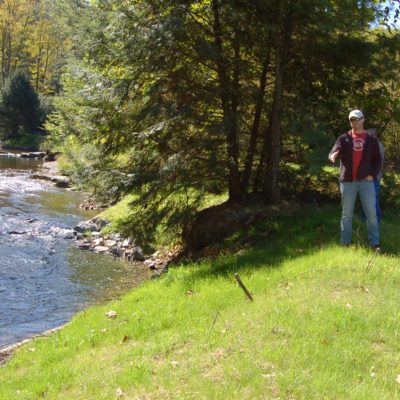
By Amy Wolfe It’s hard to believe that just over 20 years ago I started working with Trout Unlimited in the Kettle Creek watershed in northcentral Pennsylvania. Back then I was hired as the Coordinator for TU’s third Home Rivers Initiative. Fast forward a couple decades and now I enjoy working with many of TU’s…
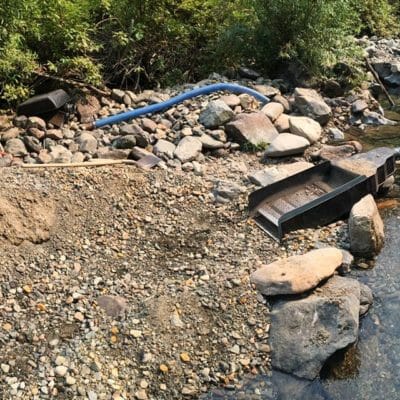
Washington commonly institutes fishing restrictions to protect vulnerable fish populations, like they did for steelhead in Scotty Creek, but these restrictions, unfathomably, do not extend to a destructive form of recreational gold mining called suction dredge mining.
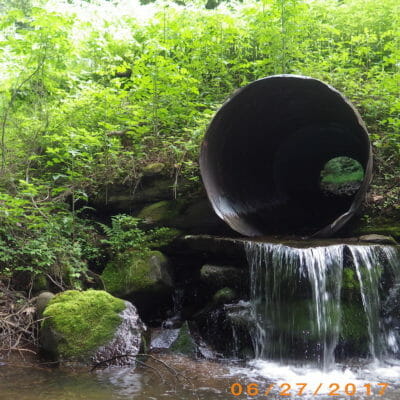
Trout Unlimited has received three federal grant awards totaling nearly $750,000 from the National Fish and Wildlife Foundation for stream protection and restoration projects in the upper Delaware River watershed. These grant awards support the conservation goals of the Delaware River Basin Conservation Act, administered by the U.S. Fish and Wildlife Service in partnership with NFWF. Thanks to…
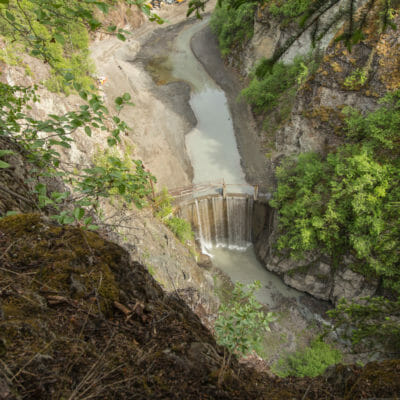
For nearly 90 years, the abandoned lower Eklutna Dam blocked salmon migration on the Eklutna River, contributing to the downfall of the salmon fishery. In September of 2018, we, along with many others, rejoiced the successful removal of the lower dam. This dam removal marked a first step in reconnecting 22 miles of salmon habitat and securing a free-flowing future for the Eklutna River.