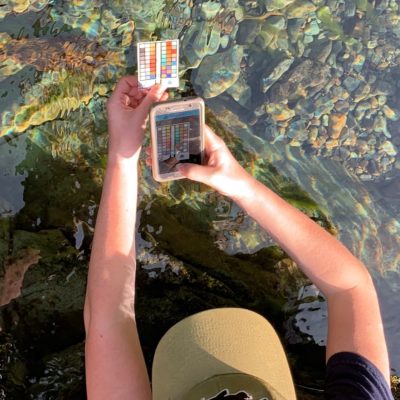
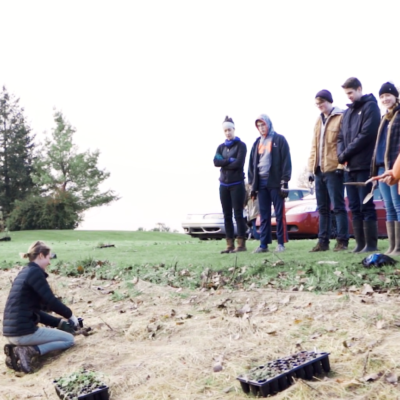
By Kent Johnson, Carter and Sarah Borden and Dan Dauwalter Trout Unlimited has an army of volunteer anglers on the water every day. This makes the organization rife with potential to crowdsource data on streams and rivers to educate anglers and inform coldwater conservation. This is the reason Angler Science is emphasized in TU’s Strategic…
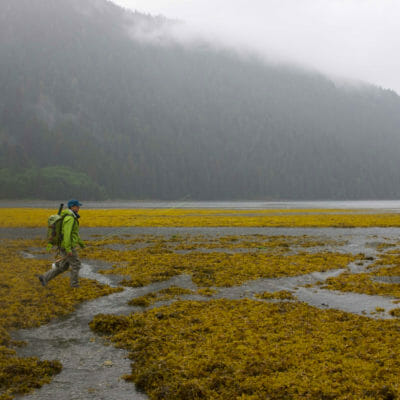
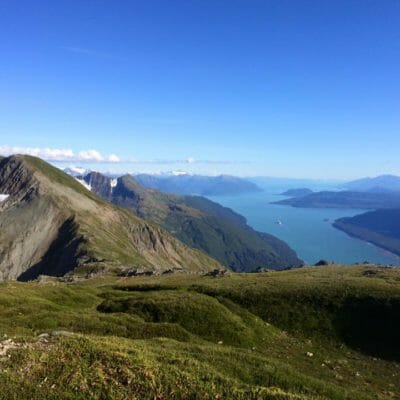
The Tongass. For many, it conjures some far away and foreign place. For others, it’s a name that has never been heard before. Yet, for all Americans, at nearly 17-million acres in Southeast Alaska, the Tongass is our largest National Forest and a national treasure owned by every citizen
For Immediate Release, December 12, 2019 Contact: Pam Harrington, Trout Unlimited, 775-870-0015, Pam.Harrington@tu.org Carl Erquiaga, Theodore Roosevelt Conservation Partnership, cerquiaga@trcp.org Sportsmen applaud Senate committee advancing Ruby Mountains Protection Act Bill now moves to full Senate for consideration Sportsmen for the Rubies — a coalition of 14 hunting, fishing, and wildlife conservation organizations — is excited to…
Students in the Producing for Clients class at Grand Valley State University spend a semester working with nonprofit organizations to create a video that serves the needs of that organization. This fall, GVSU had a campus-wide focus on water-related issues so students teamed up with Trout Unlimited’s Rogue River Home Rivers Initiative to produce a video that could help enhance their work. They created a…
A TU staffer in Alaska takes a look back at her 2015 summer working in Southeast Alaska, and how she saw the benefits of the Roadless Rule through a tourism lens.
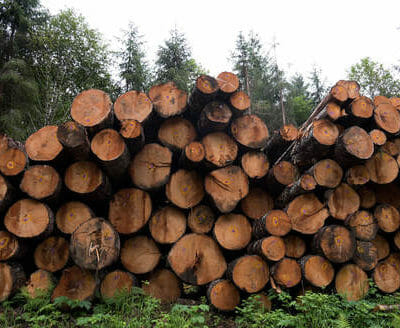
In the case of the Tongass National Forest, it has been made clear repeatedly that American taxpayers have subsidized the clear-cut logging of old growth trees to the tune of roughly $30 million annually for the last 20 years. We need to Roadless Rule to make sure this doesn’t continue.
Effective partnerships win The 2014 listing of the New Mexico Meadow Jumping Mouse as a federally endangered species caused the closure of an expansive meadow along the Rio Cebolla to all uses – camping, fishing and especially grazing. As a gathering pasture in the spring and fall, the meadow was critical to the operations of…